Overview
How it works
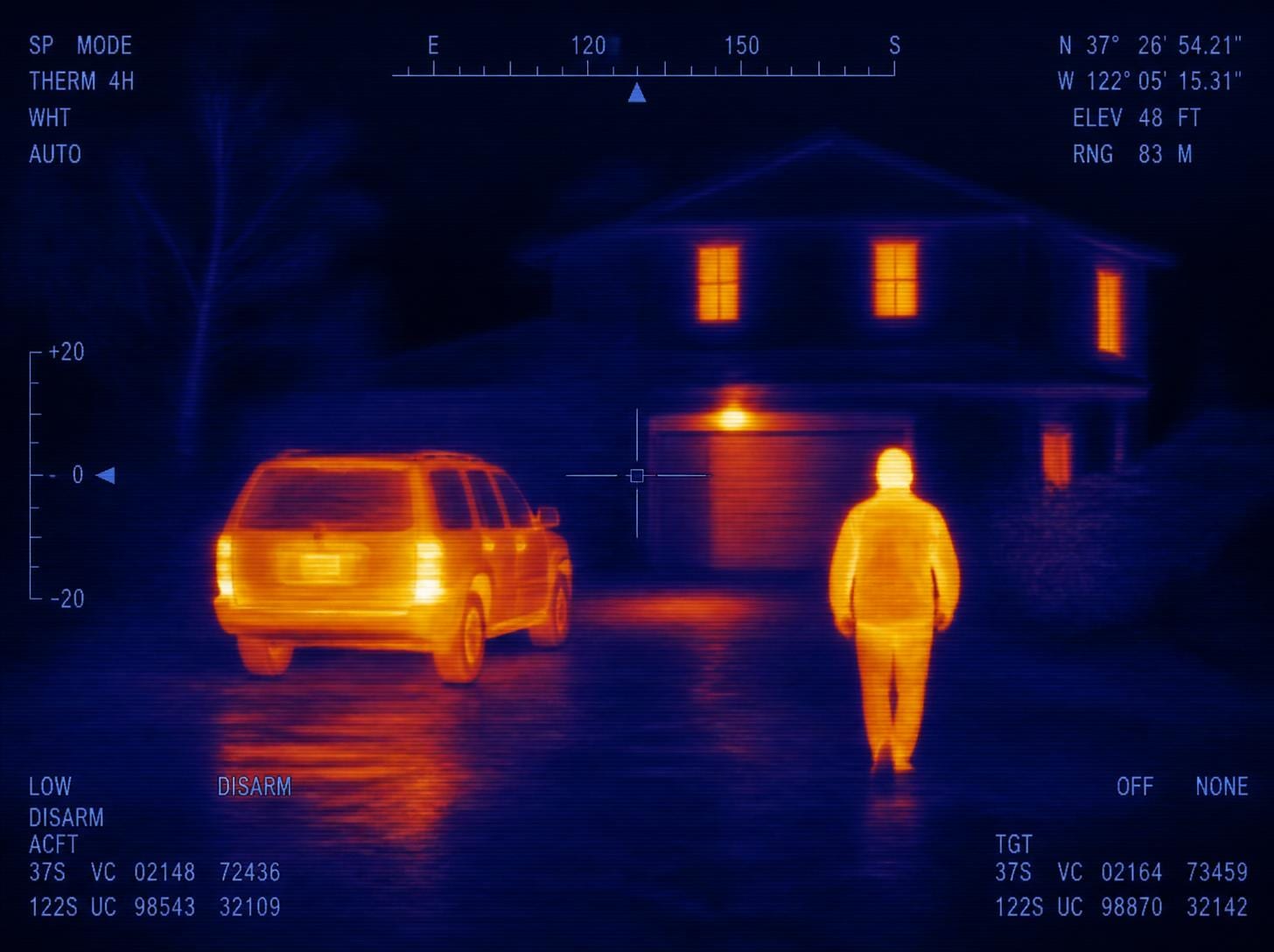
At Tracsens, we leverage advanced thermal imaging technology and AI-powered analytics to detect, identify, and analyze heat signatures that are not visible in standard optical images. Our solutions can identify people, vehicles, roads, buildings, machinery, electrical equipment, and other objects based on the infrared radiation they emit, enabling reliable detection in complete darkness, smoke, fog, and other low-visibility conditions.
Thermal imaging captures temperature variations across a scene, allowing us to detect anomalies, monitor equipment health, and identify objects regardless of ambient lighting. By combining thermal imagery with intelligent computer vision, Tracsens provides real-time insights that improve safety, security, operational efficiency, and predictive maintenance.
Applications
Where it's applied
Perimeter Security
Detect unauthorized people or vehicles entering restricted areas during day or night.
Search and Rescue
Locate missing persons in forests, disaster zones, or low-visibility environments by detecting body heat.
Traffic and Transportation Monitoring
Detect vehicles, monitor road activity, and improve traffic management in nighttime conditions.
Industrial Equipment Monitoring
Identify overheating machinery, motors, transformers, and electrical systems before failures occur.
Predictive Maintenance
Detect abnormal temperature patterns in industrial assets to reduce downtime and maintenance costs.
Fire Detection and Prevention
Identify hotspots, smoldering fires, and overheating equipment before they develop into major incidents.
Building Inspection
Detect heat loss, insulation defects, moisture intrusion, and HVAC inefficiencies in residential and commercial buildings.
Energy Infrastructure Monitoring
Inspect power lines, substations, solar farms, and electrical distribution systems for thermal anomalies.
Oil, Gas, and Pipeline Inspection
Monitor pipelines, storage facilities, and processing equipment for leaks and overheating components.
Wildlife and Environmental Monitoring
Detect animals in low-light conditions and monitor habitats with minimal disturbance.
Disaster Response
Identify survivors, locate hotspots, and assess damaged infrastructure following natural disasters.
Defense and Border Surveillance
Enhance situational awareness by detecting human activity and vehicles in challenging environmental conditions.